

What Is Streetwear? A Clear Definition and Short History
- Shunya Theory
- Aug 13
- 3 min read

Streetwear is casual clothing whose style direction came from subcultures rather than from fashion houses. It is built on t-shirts, hoodies, sneakers and outerwear, it prizes limited availability and community meaning, and it moves bottom-up, from the street to the runway, not the other way round.
Where It Came From
The commonly told origin runs through late-1970s and 1980s California surf and skate culture, where small brands printed their own graphics on t-shirts and sold them to a community that already knew what the graphics meant.
New York hip-hop developed a parallel strand at the same time, with its own relationship to sportswear, sneakers and logo-led dressing. Japanese brands in the 1990s added a third: limited drops, obsessive construction, and scarcity as a deliberate strategy.
These strands merged into what is now recognised globally as streetwear. The common thread is that the meaning came from a community first and the commerce followed.
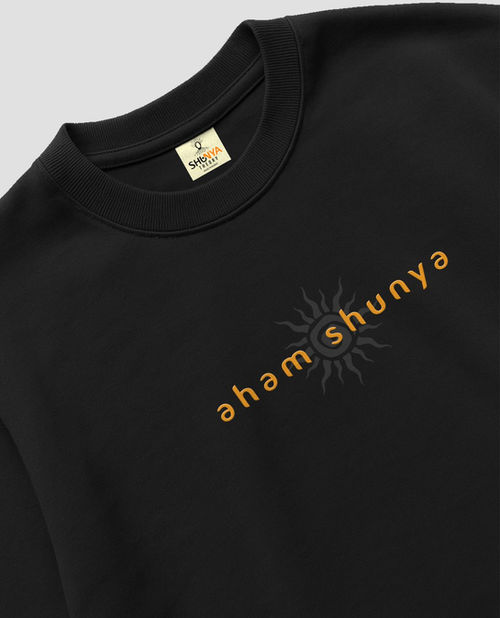
What Makes Something Streetwear
Casual foundation, tees, hoodies, sneakers, outerwear rather than tailoring
Graphic-led, where the print or symbol carries the meaning
Relaxed or oversized silhouettes rather than fitted ones
Cultural reference that the intended audience already understands
Limited runs rather than continuous mass availability
Not every casual t-shirt is streetwear. The distinction is whether the piece is carrying a reference, and whether that reference means something to the people wearing it.
Streetwear vs Ordinary Casual Wear
A plain t-shirt from a mass retailer is casual wear. The same silhouette carrying a graphic that means something specific to a community is streetwear. The garment can be identical; the difference is the intent behind the print and the audience that reads it.
This is why streetwear tends to run graphic-heavy. The graphic is the carrier of meaning, which is also why print quality matters more in this category than in most.
If you are buying a graphic tee you want to keep, print method decides whether the design survives, see t-shirt printing methods compared.
Where Indian Streetwear Fits
Indian streetwear draws on the same global vocabulary, oversized cuts, graphic tees, sneakers, but has access to a visual archive that most streetwear does not: temple architecture, folk painting traditions, Devanagari and other scripts, and a philosophical vocabulary older than the category itself.
That difference is worth understanding properly, and we go into it in why Indian streetwear looks different from everyone else's.
How to Start Without Overspending
Begin with one well-made graphic tee rather than five cheap ones
Choose a relaxed cut in real fabric weight so the silhouette holds
Keep the rest of the outfit plain so the graphic can work
Buy pieces whose reference you actually understand and care about
Judge on cost per wear rather than sticker price
For reference, Shunya Theory tees are 100% cotton, 240 GSM (220 GSM on WARLI), screen printed, relaxed fit, XS(40) to XL(48), ₹1,349.
Frequently Asked Questions
What exactly counts as streetwear?
Casual clothing, typically tees, hoodies, sneakers and outerwear, whose style direction came from subculture rather than fashion houses, usually graphic-led and cut in relaxed silhouettes.
Is a graphic t-shirt streetwear?
It can be. The distinction is whether the graphic carries a specific cultural reference that the intended audience reads, rather than being generic decoration.
What is the difference between streetwear and casual wear?
Casual wear describes the formality level. Streetwear describes where the style came from and what it references. A plain tee is casual; a tee carrying meaningful community reference is streetwear.
How do I start wearing streetwear?
Start with one well-made graphic tee in a relaxed cut and keep the rest of the outfit simple. One considered piece works better than several cheap ones.
Discover how silence can speak through design. Explore our latest streetwear collections where ancient wisdom meets modern minimalism. Each piece embodies mindful fashion, Indian inspired streetwear, and the spirit of Shunya Theory.
👉 ARKA spiritual streetwear inspired by the Sun's energy
👉 YAMA fearless minimalism rooted in ancient philosophy
👉 VANVAAS self-discovery through solitude and design
👉 WARLI Indian heritage streetwear with tribal art essence


.png)


Comments