

What a Made in India Label Actually Tells You

A Made in India label sounds like it describes the whole garment. It does not. Country of origin labelling generally refers to where the last substantial transformation took place, which for clothing usually means where it was cut and sewn.
The cotton, yarn, dye and trims may have come from anywhere.
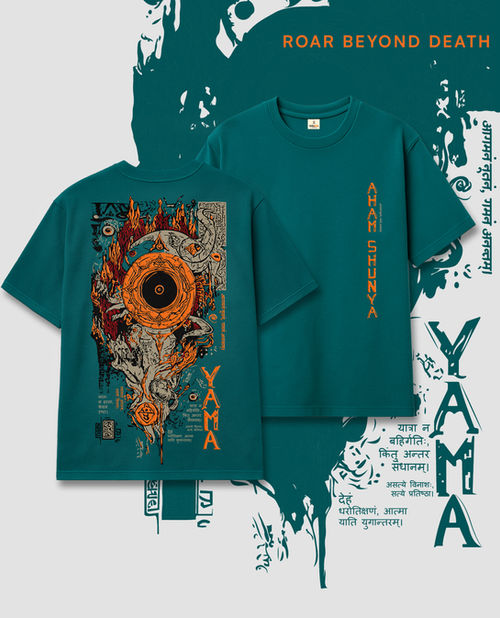
What Substantial Transformation Means
The principle is that origin belongs to the place where a product became what it fundamentally is. For a t-shirt, fabric becoming a garment through cutting and sewing is normally the qualifying step.
So a shirt can legitimately carry a Made in India label while using imported yarn, dye and trims, provided the garment itself was constructed here. Rules vary by jurisdiction and trade agreement, which is part of why the label is a weaker signal than people assume.
What It Genuinely Does Tell You
Indian labour law applied at the construction stage, including minimum wage provisions
Shorter shipping distance if you are buying within India
Money circulating in the domestic garment sector, which employs a very large workforce
Some possibility of verification, at least in principle
Nothing at all about wages actually paid, conditions, or fabric source
That last point matters. Legal compliance is a floor, not a standard, and the label speaks to jurisdiction rather than to practice.
India as a Textile Producer
India is among the world's largest cotton producers and has one of its largest textile and apparel sectors, with long-standing capability in spinning, knitting, dyeing and garment construction. A deep handloom and craft tradition operates alongside industrial production, which is genuinely distinctive.
The history of one strand is in khadi was never just cloth, and the resist-dye traditions in bandhani, ikat and ajrakh.
Better Questions Than Country
What is the fibre composition, with percentages?
What is the GSM?
What print method was used?
Are there named manufacturing partners?
Is there a verifiable certificate number behind any claim made?
Those are answerable and checkable. Country alone is neither, and the full checklist is in how to research a brand before buying.
What We Say About Ours
We do not currently publish country of manufacture, so we do not put a Made in India claim on our pages. If that changes and we can evidence it, we will state it.
For reference, what we publish about our own tees is this: 100% cotton, 240 GSM (220 GSM on WARLI), screen printed, relaxed unisex fit, XS(40) to XL(48), Rs 1,349. We do not publish factory information or hold environmental certification, and we will not imply otherwise.
Frequently Asked Questions
Does Made in India mean the cotton is Indian?
No. Country of origin generally refers to where the last substantial transformation occurred, usually cutting and sewing. Fibre, yarn and dye may come from anywhere.
What does a Made in India label guarantee?
That the garment was constructed in India under Indian labour law. It says nothing about wages actually paid, working conditions, or where the fabric originated.
Is Made in India clothing better quality?
Origin does not determine quality. Fibre composition, fabric weight, construction and finishing determine it, and all four are checkable independently of country.
What should I ask instead of country of origin?
Fibre composition with percentages, GSM, print method, named manufacturing partners, and verifiable certificate numbers behind any claim.
Discover how silence can speak through design. Explore our latest streetwear collections where ancient wisdom meets modern minimalism. Each piece embodies mindful fashion, Indian inspired streetwear, and the spirit of Shunya Theory.
👉 ARKA spiritual streetwear inspired by the Sun's energy
👉 YAMA fearless minimalism rooted in ancient philosophy
👉 VANVAAS self-discovery through solitude and design
👉 WARLI Indian heritage streetwear with tribal art essence


Comments